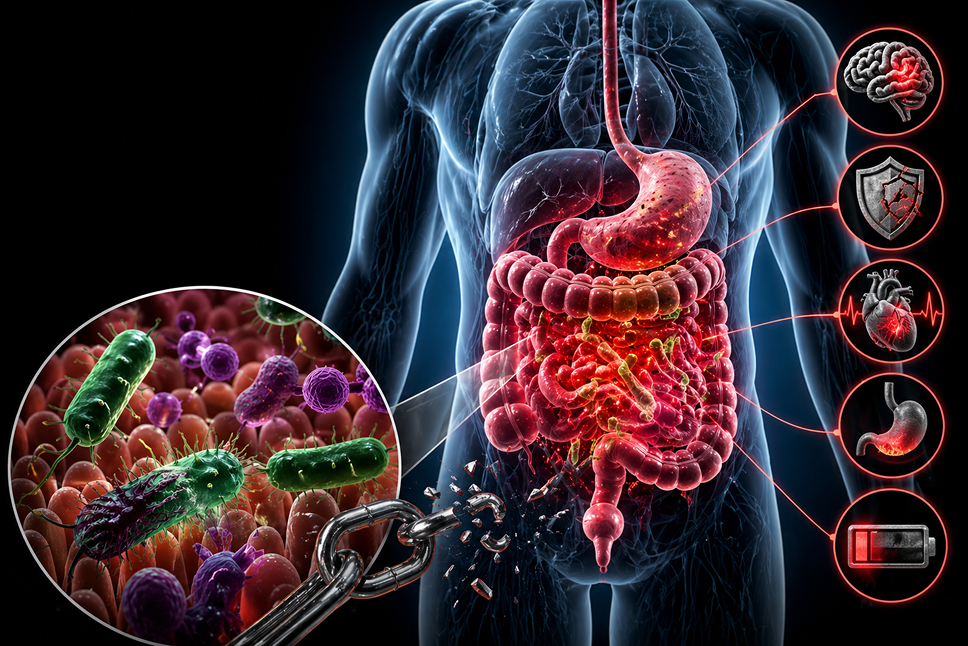

Hey there! If you’re a teen curious about why some guys feel less energetic or strong as they get older, this is about testosterone – that’s the main hormone (like a chemical messenger in your body) that helps men build muscle, stay in a good mood, and have energy. It’s dropping faster these days because of junk food and extra weight. We’ll break it down with science words but explain them simply, like chatting with a smart friend. Think of it as your body’s natural “power juice” getting low. We’ll use bullets to keep it easy to read.
What Is Testosterone and How Does the Body Produce It?
Testosterone is the primary androgen, a type of natural steroid hormone made mainly in the testes of males. It supports muscle growth, bone strength, energy levels, mood, and reproductive functions.
- Production process: The brain’s hypothalamus releases gonadotropin-releasing hormone (GnRH), which signals the pituitary gland to produce luteinizing hormone (LH). LH then stimulates Leydig cells in the testes to make testosterone from cholesterol using enzymes such as CYP11A1 (cholesterol side-chain cleavage enzyme).
- Normal age-related decline: Testosterone levels peak in late adolescence and early adulthood, then decrease by about 1–2% per year after age 30 due to reduced Leydig cell function and changes in the hypothalamic-pituitary-gonadal (HPG) axis.
- Low testosterone (hypogonadism): When levels fall below approximately 300 ng/dL (a standard blood measurement unit), symptoms may include fatigue, reduced muscle mass (sarcopenia), increased body fat, mood changes, and difficulties with sexual function.
- Prevalence in obesity: Research shows that up to 50% of men with obesity experience low testosterone, creating a cycle where low levels promote further weight gain.
How Poor Diet Affects Testosterone Production
A diet high in processed foods, sugars, and unhealthy fats disrupts hormone balance by limiting building blocks, increasing inflammation, and causing nutrient shortages.
- Insufficient dietary fats: Testosterone synthesis requires cholesterol as a precursor. Low-fat diets reduce available substrate for enzymes like CYP11A1, leading to 10–15% lower free testosterone (the active form not bound to proteins).
- High sugar and insulin effects: Excessive refined carbohydrates cause high insulin levels, which suppress sex hormone-binding globulin (SHBG) production in the liver and increase aromatase (CYP19A1) activity in fat tissue, converting testosterone to estradiol (an estrogen).
- Inflammation from poor food choices: Diets rich in trans fats and processed items elevate pro-inflammatory cytokines (signaling molecules like IL-6 and TNF-α), which impair GnRH release and cause oxidative stress through reactive oxygen species (ROS) in testicular cells.
- Nutrient deficiencies: Lack of zinc (needed for 5α-reductase), magnesium (involved in HPG signaling), and vitamin D (which regulates steroidogenic acute regulatory protein, StAR) hinders enzyme function and cholesterol transport into mitochondria for hormone production.
- Protective diets: Patterns like the Mediterranean diet, with omega-3 fatty acids, antioxidants, and fiber, reduce inflammation (measured by the Dietary Inflammatory Index) and support better insulin sensitivity and higher testosterone.
How Obesity Creates a Cycle of Lower Testosterone
Obesity, especially abdominal fat, directly lowers testosterone through hormonal conversion and signaling disruptions, forming a feedback loop.
- Aromatization in fat tissue: Adipose (fat) cells express high levels of aromatase, which converts testosterone to estradiol. This estrogen increase signals the brain to reduce LH and GnRH production.
- Leptin resistance: Excess fat produces high leptin (a hormone regulating hunger), leading to resistance in the hypothalamus and reduced kisspeptin signaling that normally stimulates GnRH.
- Insulin resistance: Obesity impairs insulin action, raising blood sugar and disrupting testicular glucose metabolism needed for steroidogenic enzymes like 3β-hydroxysteroid dehydrogenase (3β-HSD) and 17β-HSD.
- Oxidative damage: Increased NADPH oxidase activity in fat tissue generates ROS, harming Leydig cell membranes and blocking StAR protein-mediated cholesterol entry for synthesis.
- Quantitative impact: Each unit increase in body mass index (BMI) correlates with about a 2% testosterone decrease; losing 5–10% of body weight can raise levels by 10–20%.
Testosterone Levels Today Compared to 30 Years Ago
Studies show a population-wide (secular) decline in average testosterone that affects men of the same age across generations, beyond normal aging.
- Historical levels: In the late 1980s (around 1987–1989), average testosterone in middle-aged men was often 500–600 ng/dL.
- Current levels: By the early 2000s and continuing into recent years, averages have fallen, with many studies reporting 400–500 ng/dL or lower in similar age groups—a reduction of 15–30% depending on the timeframe and population.
- Rate of decline: Research, including a key 2007 study, found an approximate 1% annual drop independent of age since the 1980s, meaning a 60-year-old man today may have 15–20% lower levels than one of the same age in 1987.
- Younger men affected: Data from 1999–2016 show adolescent and young adult males experienced significant decreases (e.g., from around 605 ng/dL in 1999–2000 to 450 ng/dL by 2015–2016), even after adjusting for factors like BMI.
- Contributing modern factors: Increased obesity rates (doubled since the 1990s), greater consumption of ultra-processed foods raising inflammation, more sedentary lifestyles reducing physical stimulation of the HPG axis, poorer sleep from technology, and higher exposure to endocrine-disrupting chemicals (e.g., in plastics) all accelerate the trend compared to 30 years ago.
- Not fully explained by obesity alone: Some declines persist after controlling for weight, suggesting additional environmental or lifestyle influences.
Ways to Help Maintain or Improve Testosterone Levels
Lifestyle changes can counteract many of these effects by addressing diet, weight, and activity.
- Achieve healthy weight: Gradual loss of 5–10% body mass reduces aromatase activity and improves insulin sensitivity, often raising testosterone noticeably.
- Balanced nutrition: Include sources of healthy fats, zinc (e.g., nuts, seeds), vitamin D (from sunlight or fortified foods), and anti-inflammatory foods to support enzyme function.
- Regular exercise: Resistance training (weight lifting) stimulates acute testosterone release via pathways like mTOR and builds muscle to aid long-term hormone balance.
- Other habits: Prioritize 7–9 hours of sleep nightly and manage stress to prevent cortisol (a stress hormone) from interfering with testosterone production.
References
- Travison TG, Araujo AB, O’Donnell AB, Kupelian V, McKinlay JB. A population-level decline in serum testosterone levels in American men. J Clin Endocrinol Metab. 2007;92(1):196-202. doi:10.1210/jc.2006-1375. Available at: https://pubmed.ncbi.nlm.nih.gov/17062768
Lokeshwar SD, Patel P, Fantus RJ, et al. Decline in Serum Testosterone Levels Among Adolescent and Young Adult Men in the USA. EurUrol Focus. 2021;7(4):886-889. doi:10.1016/j.euf.2020.02.006. (Referenced in related presentations and reviews; original NHANES analysis from 2020 AUA data).