As men age, many notice a dip in their sex drive, or libido. This can feel frustrating, but it’s a common experience that affects quality of life and relationships. While some decline is natural, factors like health, diet, and lifestyle play significant roles. In this article, we’ll explore why libido often wanes with age, why it seems more prevalent today than three decades ago, the impact of diet and overall health, and evidence-based ways to revive it through weight loss and exercise. Whether you’re in your 40s or beyond, understanding these elements can empower positive changes.
## The Basics: Why Libido Declines as Men Get Older
Libido isn’t just about desire—it’s tied to hormones, physical health, and mental well-being. A key player is testosterone, the primary male sex hormone that fuels sexual interest, energy, and performance. Starting around age 30 to 40, testosterone levels drop gradually by about 1% per year. This process, sometimes called andropause, mirrors menopause in women but unfolds more slowly.
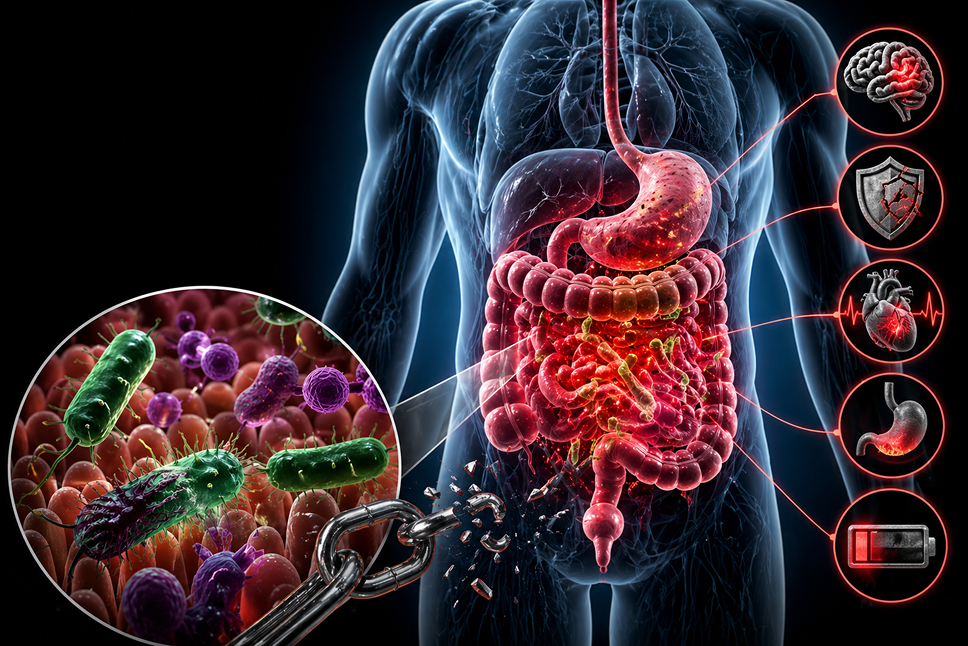
Beyond hormones, other culprits include chronic conditions like diabetes, heart disease, and obesity, which impair blood flow and energy levels essential for arousal. Mental health issues such as depression, stress, or anxiety can dampen interest, as can medications for these or other ailments. Sleep disorders like obstructive sleep apnea also lower testosterone by disrupting restful cycles. Fatigue from alcohol, illicit drugs, or simply the demands of life adds to the mix.
By ages 65-69, about a quarter of men report lower libido, rising to half by 70-77. It’s not inevitable, though—many maintain strong interest well into their later years. If symptoms persist, consulting a doctor for a blood test can rule out low testosterone or other issues.
## Why Is This Happening More Now Than 30 Years Ago?
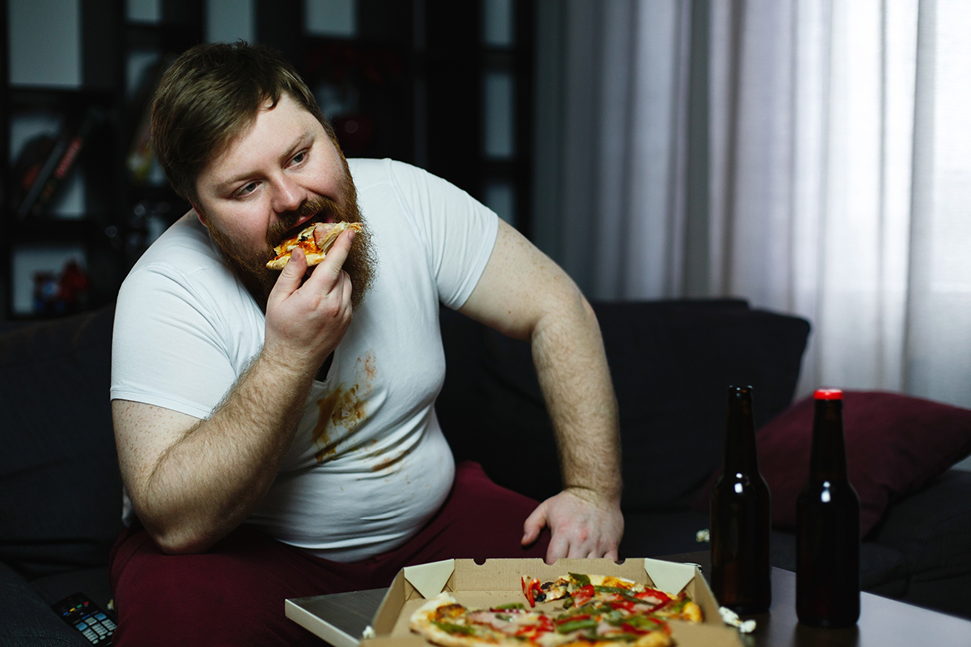
Three decades ago, men in their 50s and beyond might have experienced similar hormonal shifts, but today’s rates of low libido appear higher, especially among younger and middle-aged men. One major shift is the obesity epidemic: Since the 1990s, adult obesity in the U.S. has doubled, now affecting over 40% of men. Excess body fat, particularly around the abdomen, converts testosterone into estrogen, accelerating hormonal decline and reducing libido.
Sedentary lifestyles compound this. Modern work often involves desk jobs, streaming, and less physical activity than in the 1990s, when more people had manual labor roles or active hobbies. This inactivity lowers testosterone and increases risks for diabetes and heart disease—both libido killers. Stress levels have surged too, with longer work hours, financial pressures, and constant connectivity contributing to mental health strains that weren’t as pervasive 30 years ago.
Environmental factors may play a role, though evidence is emerging. Exposure to endocrine-disrupting chemicals in plastics, pesticides, and processed foods—more ubiquitous now—could subtly lower average testosterone levels across generations. Additionally, rising rates of sleep apnea tied to weight gain and poor sleep hygiene from screens exacerbate the issue. Even among younger men under 30, over 60% report being single with reduced sexual intimacy, partly linked to digital distractions like porn, which can desensitize arousal pathways. Overall, longer lifespans mean more men live with age-related declines, amplified by these modern challenges.
## The Role of Diet and Overall Health
What you eat directly influences libido by affecting hormone balance, energy, and vascular health. A Western diet heavy in processed foods, sugars, and unhealthy fats promotes inflammation and weight gain, which tanks testosterone and semen quality. Conversely, nutrient-rich diets support sexual function.
Key nutrients include zinc (for testosterone production), found in oysters, nuts, and seeds; antioxidants like flavonoids in berries and citrus, which improve blood flow and reduce erectile dysfunction risk by up to 14%; and healthy fats from avocados, olive oil, and fatty fish like salmon, which aid hormone synthesis. Leafy greens provide nitrates that boost nitric oxide for better circulation. Deficiencies in vitamin D, B12, or iron can also drag down libido.
The Mediterranean diet—rich in fruits, veggies, whole grains, and lean proteins—stands out for enhancing erectile function and testosterone. Managing chronic conditions through diet helps too: Controlling blood sugar with low-glycemic foods prevents diabetes-related nerve damage that affects arousal. Quitting smoking and limiting alcohol further protect vascular health and libido.
## Reviving Libido: Weight Loss and Exercise Strategies
The good news? Lifestyle tweaks can reverse much of this decline. Weight loss alone boosts testosterone by reducing fat-driven estrogen conversion. In one study, obese men who lost weight through diet and exercise saw sexual function improve in about a third of cases, with better erections and desire.
Aim for sustainable loss: Cut calories by 500-1,000 daily through balanced meals, targeting 1-2 pounds per week. Combine with exercise for amplified results. Resistance training like weightlifting is gold—it spikes testosterone short-term and builds muscle long-term, increasing levels by up to 15% with 2.5 hours weekly. Focus on compound moves: squats, deadlifts, bench presses (3-4 sets of 8-12 reps, 3 times/week).
High-intensity interval training (HIIT), like sprint bursts alternated with rest, also elevates testosterone while burning fat. Moderate cardio (brisk walking, swimming) supports heart health and weight management without overtaxing the body—avoid excessive endurance exercise, which can lower testosterone. Overall, 150 minutes of moderate activity weekly, plus strength sessions, yields benefits.
Track progress: After 6 months, many notice higher energy and libido. Pair with sleep (7-9 hours/night) and stress reduction for optimal hormone balance.
## Final Thoughts
Loss of libido in aging men is multifaceted, but it’s not a life sentence. Modern factors like obesity and inactivity make it more common today, yet diet tweaks and targeted exercise offer powerful, natural remedies. Start small—swap processed snacks for nutrient-dense foods, add weights to your routine—and consult a healthcare provider for personalized advice, especially if symptoms suggest low testosterone. With consistency, many reclaim their vitality and enjoy fulfilling intimacy at any age.